
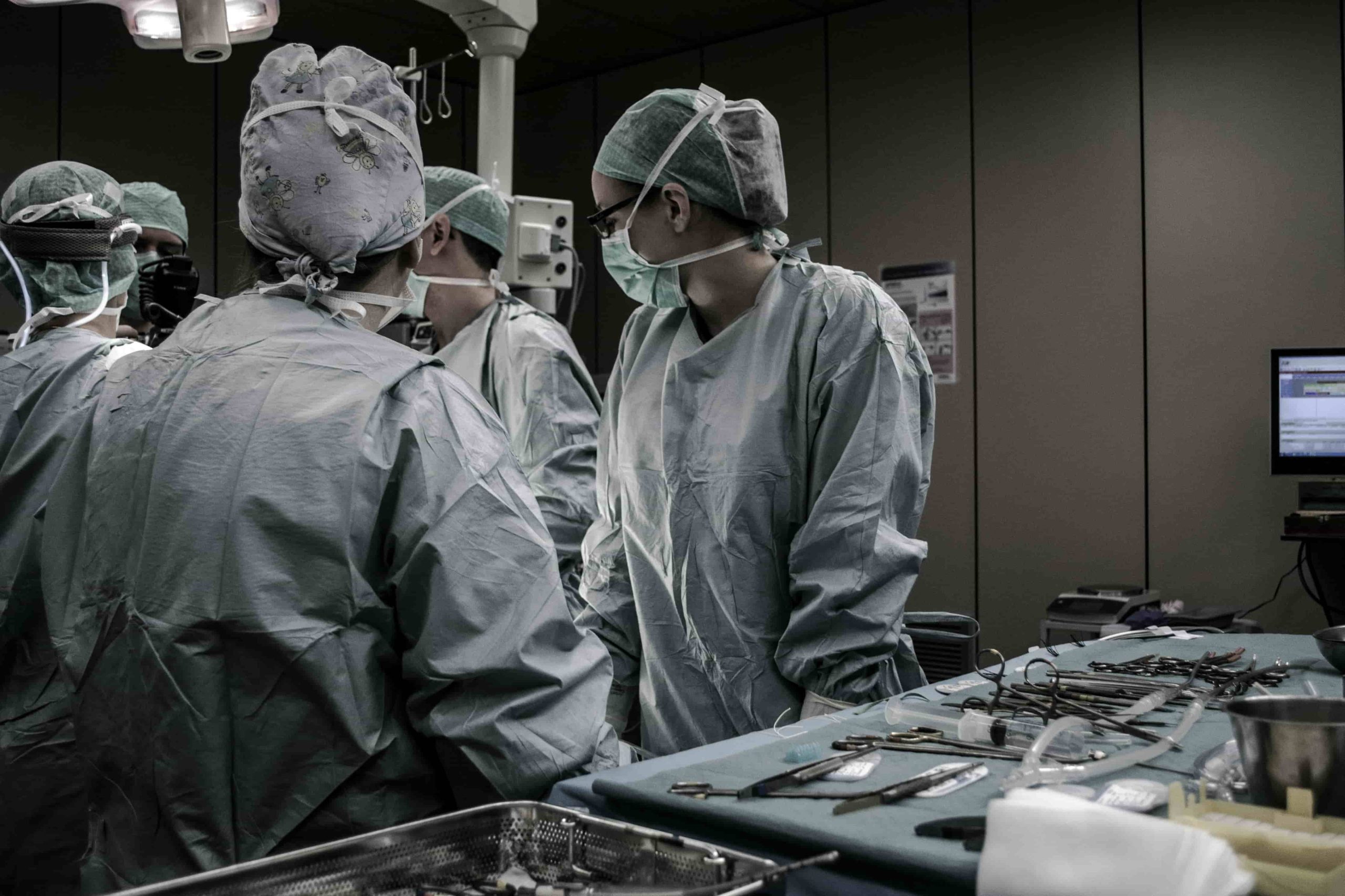
In recent years, European societies have experienced a considerable increase in migratory flows, which has led to the emergence of new multilingual and multicultural realities on the continent. This immigration, coming from different places, has integrated into the host societies and has given rise to new social needs, as communication barriers —whether caused by linguistic or cultural differences— can undermine access to social services for a large part of the immigrant population, including health care. Interpretation in this context is therefore conceived as a real necessity to ensure the integration and well-being of migrants.
Interpretation in the public services (PSI)
Interpreting in healthcare is one of the aspects included in public service interpreting (PSI), which is defined as the set of activities that enable people who do not speak the official language(s) of the country in which they live to communicate with public service providers, in order to facilitate their access to legal, health, educational, official and social services. It should be noted, therefore, that PSI is a fundamental element in guaranteeing the principle of equality, which consists precisely in providing those resources and opportunities that are adjusted to the specific needs or circumstances of a person or group, so that we can achieve an equal result for all.
In this sense, this type of interpretation allows national and regional administrations to communicate with migrants or refugees who do not speak or understand (well enough) the language(s) of the country, in order to examine their status as (potential) asylum seekers or to enable them to access public services such as healthcare.

However, PSI interpreters often lack the necessary professional training, or even access to commonly recognized training. The shortage of PSI-trained interpreters may explain the difficulties that Member States had in organizing interpretation during the exceptional migration flows of 2015-2016 or after the outbreak of the Ukrainian war in 2022.
Healthcare and interpretation
The term ‘healthcare setting’ refers to that part of the social and physical environment that deals with activities related to health promotion, prevention, diagnosis, treatment and rehabilitation, as well as health research and training.
Interpreting in the healthcare setting is the process of translating the spoken or written language of a patient or healthcare provider from one language to another. Interpreting has been used for decades to improve communication between patients and healthcare providers who do not speak the same language; and, given the diversity of today’s societies, such services are becoming increasingly important.
Interpreting in the healthcare setting can be done in three main ways: through a physical interpreter, a telephone interpreter or by videoconference.
Interpreting with a physical interpreter present is the preferred method in healthcare. It involves an interpreter who speaks both languages and acts as an intermediary between the patient and the healthcare staff. However, although this practice is the most effective in hospitals and clinics, public administrations do not always have the necessary means to guarantee this service.
The use of telephone interpreters is also common in the healthcare setting. These are multilingual operators who provide real-time telephone interpreting services. They are often called upon when interpreters are not available for face-to-face interpretation or in times of overcrowding in the healthcare system. In this regard, telephone interpreters played a very prominent role during the confinement caused by the COVID-19 pandemic in 2020.
On the other hand, the use of videoconferencing interpretation software is also becoming increasingly popular in the healthcare setting, allowing patients and healthcare staff to communicate in real time via it. This interpretation model can contribute to the decongestion of primary care, although it cannot be applied in all cases.

Key elements of healthcare interpretation
Interpretation in the healthcare setting is essential, as lack of proper communication between patients and healthcare personnel can lead to errors in diagnosis and treatment, and these can cause serious harm to the patient’s health. Therefore, health interpretation services must be available and of high quality, thus ensuring that patients receive adequate and safe medical care.
That said, to really understand what this type of interpretation is all about and the complexities involved, a few key points need to be taken into account. Firstly, the concept of asymmetry: it is possible that one of the interlocutors —in this case, the patient— is handicapped by their illness, which can make the communication process even more difficult. In this sense, you must know how to manage the situation with the patient in order to create a framework of common understanding.
Likewise, the interpreter must be aware that the meaning of the messages may be altered by the situation in which the patient is at that moment (sadness, anxiety, worry, distrust, etc.).
On the other hand, culture is a fundamental element to be taken into account, especially in the health field: the notions of health and illness in the patient’s imagination, the conception of the body, religious beliefs, gender mandates…. The interpreter must be attentive to possible misunderstandings that may arise between provider and patient due to cultural barriers.
Likewise, the interpreter must adapt to each specific context and moment, and be flexible without losing professional precision. For example, there will be situations in which it is not appropriate to apply the principle of confidentiality that usually prevails in the interpretation services, since the priority in these cases is always the preservation of the patient’s health. Therefore, the interpreter must be very aware of their degree of responsibility for the provision of a service that assures a fundamental right, in this case, the right to health.
Despite the progress that has been made in recent years, interpretation in healthcare still faces significant challenges, such as the lack of resources and funding for this service and the absence of specialized professionals. Another major challenge is the lack of coordination and collaboration between health professionals and interpreters. Effective communication between both parties is crucial to ensure that the patient receives appropriate medical care and that misunderstandings or errors in interpretation are avoided. However, many healthcare professionals are unfamiliar with how to work with an interpreter and are unfamiliar with the recommendations and best practices for interpreting in the health setting.
At FAST.txt, we also offer interpreting services, including public services interpreting and other specialized services. If you need to hire a quality interpretation service and you don’t know who to turn to, don’t hesitate any longer: put yourself in our hands and rely on FAST.txt.
Carlos Sánchez Luis