
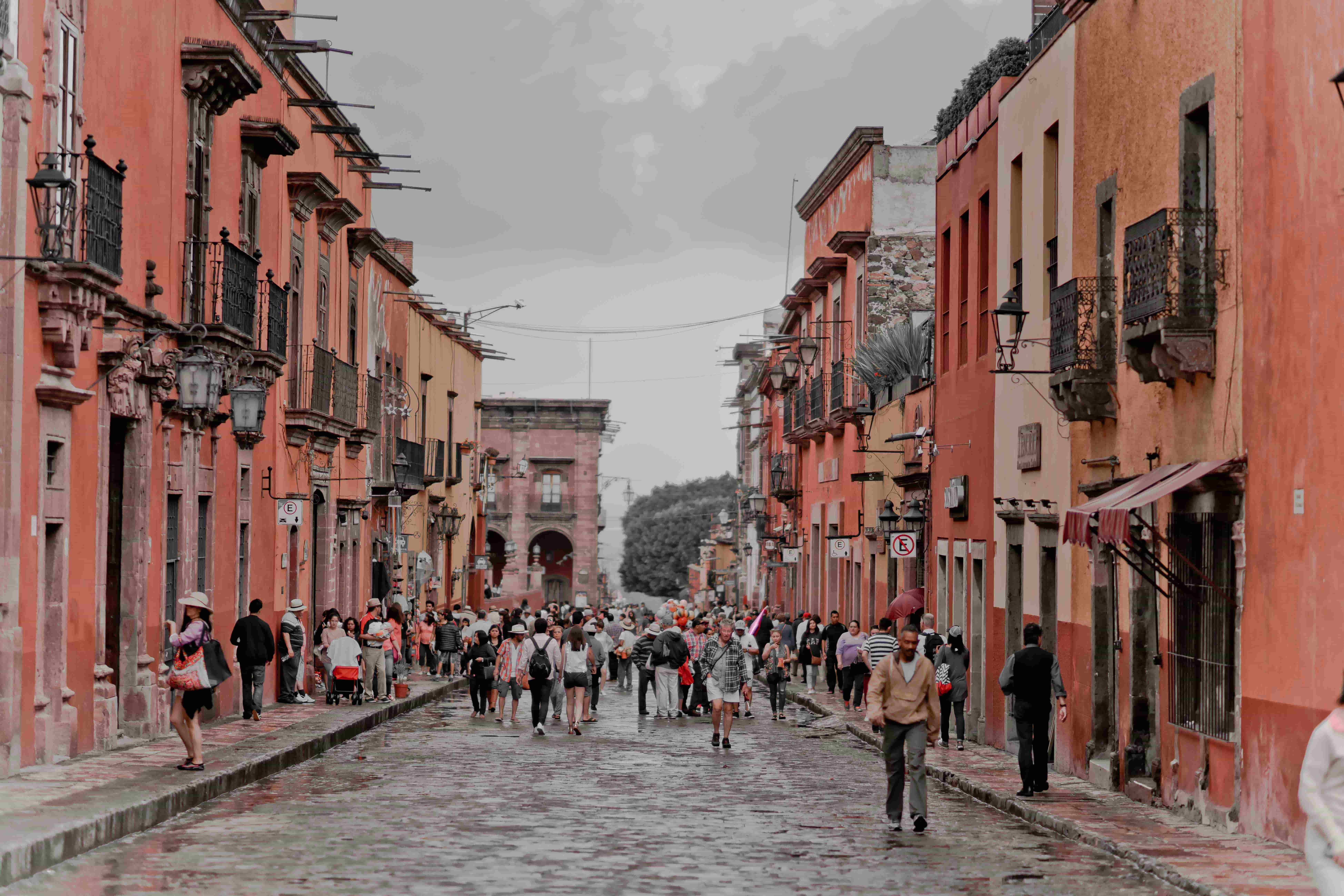
The translation, and therefore the interpretation, is the essential means of communication between different cultures and societies. Generally, when we speak of cultures and societies, we automatically think of those that are predominant in the world, without taking into account the existence of minority or minoritized cultural realities.
It is estimated that there are about 7,000 living languages in the world, and of these, it is estimated that about 400 are spoken in the Americas. Mexico currently has 69 national languages, 68 of which are indigenous. This places Mexico as the country with the highest number of native languages spoken.
However, although these languages are recognized as national languages, they do not have official status, with Spanish being the only official language of Mexico.
Principal indigenous languages of Mexico
Náhuatl
Náhuatl, also called ‘Mexican’, is a language of the Yuto-Aztecan family spoken mainly in central Mexico. It is currently the most widely spoken indigenous language in Mexico, with about 1.6 million speakers, most of them bilingual in Spanish.
The origins of this language date back to the splendor of Teotihuacan (2nd to 7th century A.D.), although the identity of the inhabitants of this civilization remains a mystery. During the era of the Aztec Empire (1325-1521), whose center was in Mexico-Tenochtitlan, the language came to be identified with the politically dominant ethnic group. It was at this time that the Náhuatl language was perfected, with famous works such as the Cantares mexicanos (Mexican Chants).
Certainly, Náhuatl remained a “lingua franca” in the region during the viceregal period, as the Spaniards realized the importance of the language for tasks such as evangelization, and preferred to continue its use rather than change it.
It was, in fact, in contemporary times, once independence was achieved and the Mexican State was created, that Náhuatl suffered a great decline, as a result of nationalist policies that tended to eliminate native languages in favor of Spanish.
Mayan languages
Mayan languages are a linguistic family spoken mainly in southeastern Mexico, Guatemala, Belize and far-western Honduras. Mayan languages derive from the Proto-Maya, whose origin can be traced back to about 5000 years ago.
In pre-Columbian Mesoamerica, some languages of the Mayan family were written by a system that used logograms and syllabic glyphs, with functions similar to those of Japanese writing. It is the most famous writing system among indigenous American cultures.
The Mayan family is one of the best documented and possibly the most studied in all America, with 22 recognized languages. Yucatec Mayan is the most spoken language in Mexico, with around 800,000 speakers, followed by Tzotzil, the language of the Chiapas highlands, which has around 400,000 speakers.
In spite of centuries of Spanish domination and the exploitation and abuse of these people in contemporary times, especially during the Porfiriato, the Mayan people still largely preserve their ancestral customs.
Zapotec
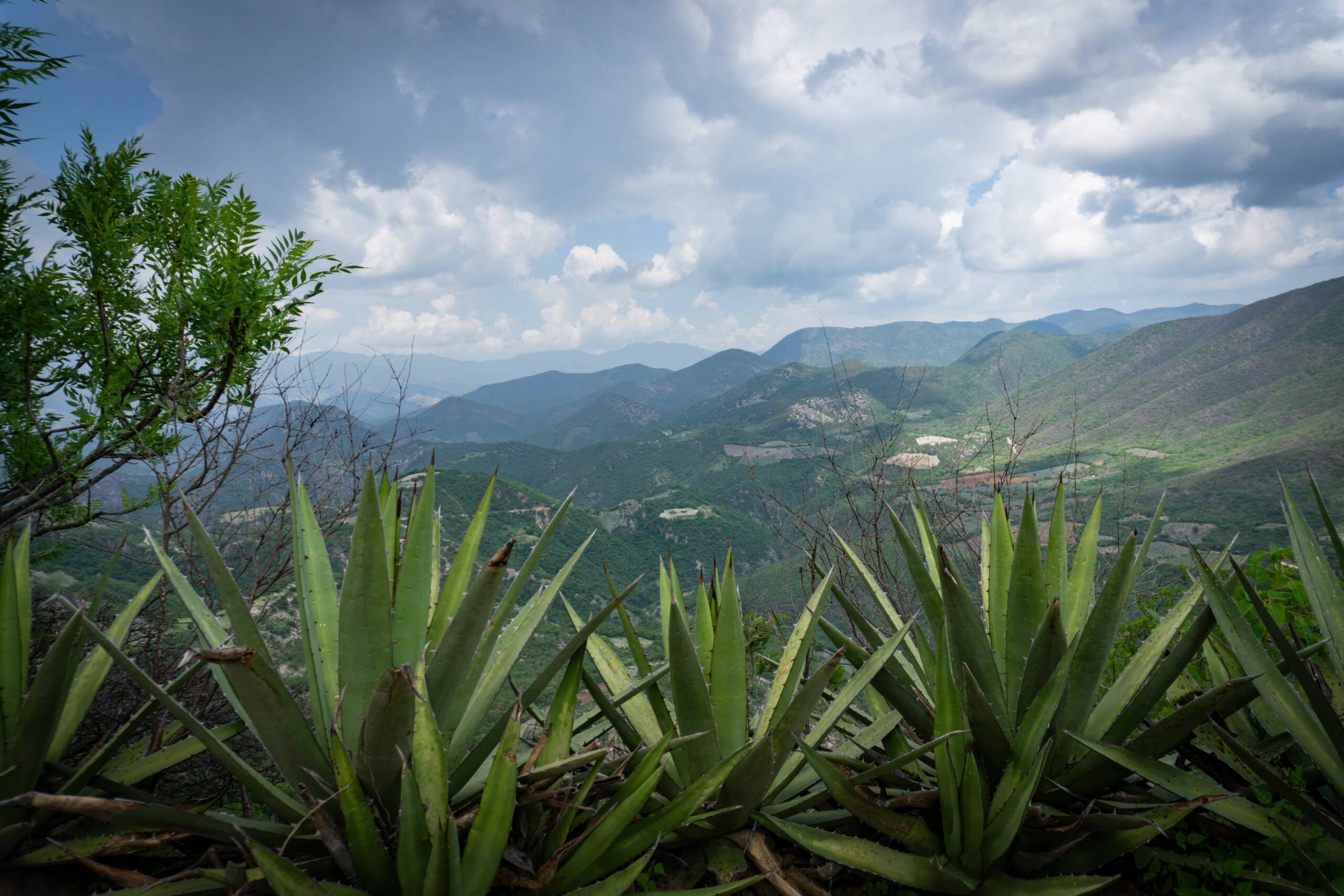
Zapotec is a macro-language made up of different languages that are distributed mainly in the Oaxaca area. It is estimated that around 700,000 people currently speak Zapotec languages in Mexico.
In pre-Columbian times, the Zapotec culture was one of the main cultures of Mesoamerica, and developed a writing system. It seems that the remains of the Mount Alban site, at least the most recent ones, can be attributed to Zapotec peoples.
Mixtec
The Mixtec languages are a set of linguistic varieties native to La Mixteca, a cultural zone shared by the states of Puebla, Guerrero and Oaxaca, in southern Mexico. The speakers of Mixtec languages constitute the fourth largest indigenous linguistic community in terms of number of speakers, estimated at almost 500,000.
Otomi
The Otomi is an ethnic and cultural group native to the Mezquital Valley, one of the regions of the state of Hidalgo. It has approximately 280,000 speakers.
The Otomi-speaking population has decreased in recent years. In a certain way, this reduction of Otomi speakers is due to migration from their communities of origin and the urbanization of their ethnic territory, which imposes on them the need to coexist with an exclusively Spanish-speaking population.
Purepecha
Purepecha is a language spoken by members of the Purepecha people of western Mexico, mainly in the state of Michoacán. The ancient Purepecha Empire (14th to 16th centuries), with its capital in Tzintzuntzan, managed to resist the Aztec invasions, maintaining its independence until the arrival of the Spaniards.
Purepecha has many linguistic characteristics that make it appear to be a unique language, very different from other Mesoamerican languages. In fact, the Purepecha language has been described as an isolated language. Although it is still vibrant today, with some 125,000 speakers, Purepecha is in danger of disappearing within a few generations if its use is not promoted.
To these languages we could add many others, such as Uza or Chichimeca Jonaz, in the state of Guanajuato, Huichol or Wixarika, native to the populations settled in Nayarit and Jalisco, or Rarámuri or Tarahumara, spoken mainly in the state of Chihuahua. However, due to the length of this publication, we have limited ourselves to a brief description of the most relevant.
Translation and interpretation of indigenous languages: the current situation
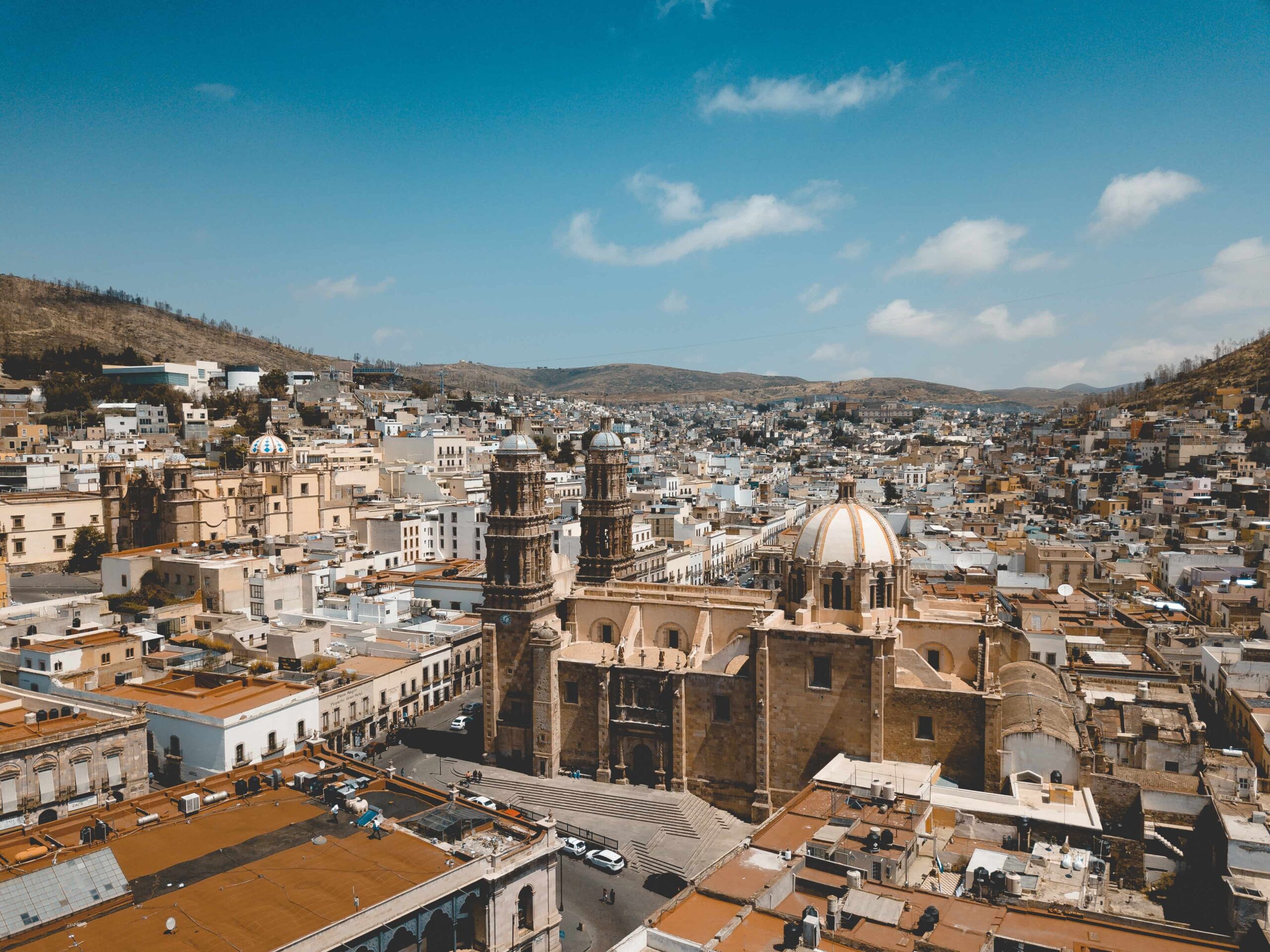
When observing this enormous linguistic diversity in Mexico, it is difficult to understand why the work of translating and interpreting from these languages into Spanish (and vice versa) has not yet been officially recognized. In fact, we can affirm that, to date, there has been no special interest in the official certification of translators and interpreters specializing in indigenous languages.
After the Mexican Revolution, there was a predominant tendency to incorporate the indigenous people into the hegemonic culture of society by replacing their native language with Spanish; and, consequently, it was expected that minority cultures, which were considered a burden for the integration of the country, would disappear. Although significant progress has been made in the consideration of Mexico’s indigenous languages and cultures, there is still a long way to go.
The living conditions of the Mexican indigenous population are not the best, especially with regard to fundamental rights, such as access to information, the right to a fair defense or access to health care, where most of the time there is no community intermediary who can assist the indigenous person in a hospital.
The solution lies precisely in official certification, i.e., formal recognition of academically trained translators and interpreters of indigenous languages. In this way, the intercultural approach becomes an indispensable element for all educational activity in a country where cultural diversity is the dominant feature.
In Mexico, the relationship between the dominant language and the minority ones (which are the native ones) is based on prejudices, clearly discriminatory, of historical origin. Consequently, intercultural education also implies a strong commitment to directly combat these prejudices, building new foundations that promote coexistence among all members of society.
Carlos Sánchez Luis