

Currently, Arabic is the official language of 22 countries around the world. Among these 22 countries, Saudi Arabia, Bahrain, United Arab Emirates, Iraq, Israel, Jordan, Kuwait, Lebanon, Omar, Qatar, Syria and Yemen are located in Asia, while Algeria, Chad, the Comores, Egypt, Libya, Morocco, Mauritania, Sudan, Tunisia and Djibouti are in Africa. Arabic is also used as a minority language in some countries such as Malta, Cyprus, Turkey, Uzbekistan or Afghanistan, as well as in several areas of Central and East Africa.
In Europe and America, Arabic is also a language that is becoming increasingly important, especially among Muslim emigrant communities. In the case of Europe, the most important Islamic communities are those of Moroccans in countries such as France, Belgium, Holland, Germany and Spain.

When analyzing the situation of Arabic in the contemporary world, it is important to take into account a major issue, which is that in the Islamic world there is an essential link between religion and language, due in large part to the Koranic conception itself. According to Islamic tradition, the Koran should not be translated into other languages, since a translation inherently includes an interpretation, thus losing its sacred character. This explains why the Arabic language has spread to all those countries that originally adhered to Islam, and now occupies a very considerable territory.
The phenomenon of dysglossia in the Arab world
Dysglossia is a linguistic situation in which two different varieties of the same language coexist and serve different social functions. The superimposed variety is the «high» or cultured variety of the language, while the spoken language represents the «low» or vulgar variety.
In the contemporary Arabic world, three different varieties of the language are used: classical Arabic, which is the language of the Koranic passages, modern (or cultured) Arabic and dialectal Arabic (specific to each area). As a result, the Arab world lives in a situation of dysglossia, since the standard modality of the Arabic language is reserved for the formal register, while the dialectal modality is used in informal activities.
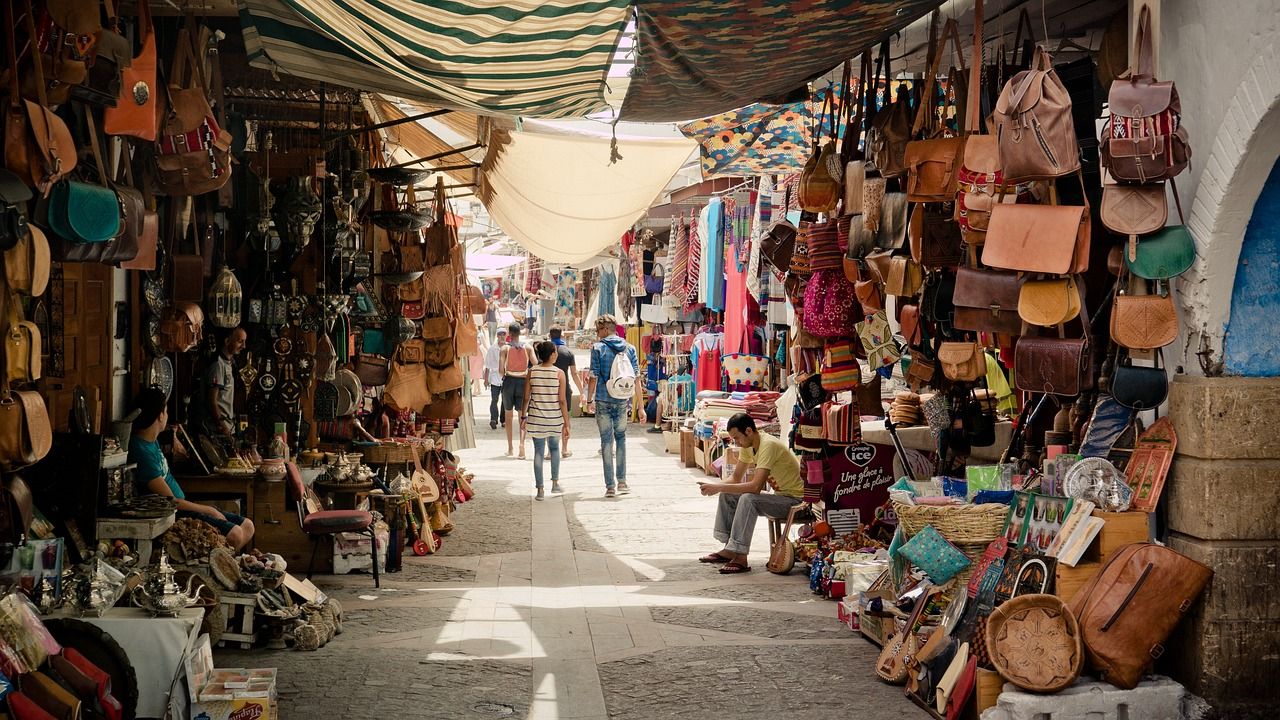
In general, the Arabic speaker is fully aware of the existence of a prestige language that is distinct from the language they use on a daily basis, the dialect. In this regard, in the Arabic world there is a very marked tendency to undervalue the dialect, since it is considered a corruption of the standard language, so there is no interest in studying or codifying it.
Expansion of standard Arabic
In the last decades, a process of expansion of the standard language, i.e. Modern Arabic, has been taking place in the Arab world, as its use is increasingly spreading to informal situations. This expansion of modern Arabic is largely due to extra-linguistic reasons, since, politically and culturally, Arabic functions as a cohesive element of the pan-Arab movement, an ideological trend that promotes unity and the strengthening of relations between Arab countries.
For this reason, many States have actively promoted an Arabization policy from the administration, schools or the communications media. The ultimate goal of these initiatives is for the Arabic language to be used in certain aspects of modern culture traditionally expressed in other languages, as in the case of French in countries such as Morocco and Algeria.
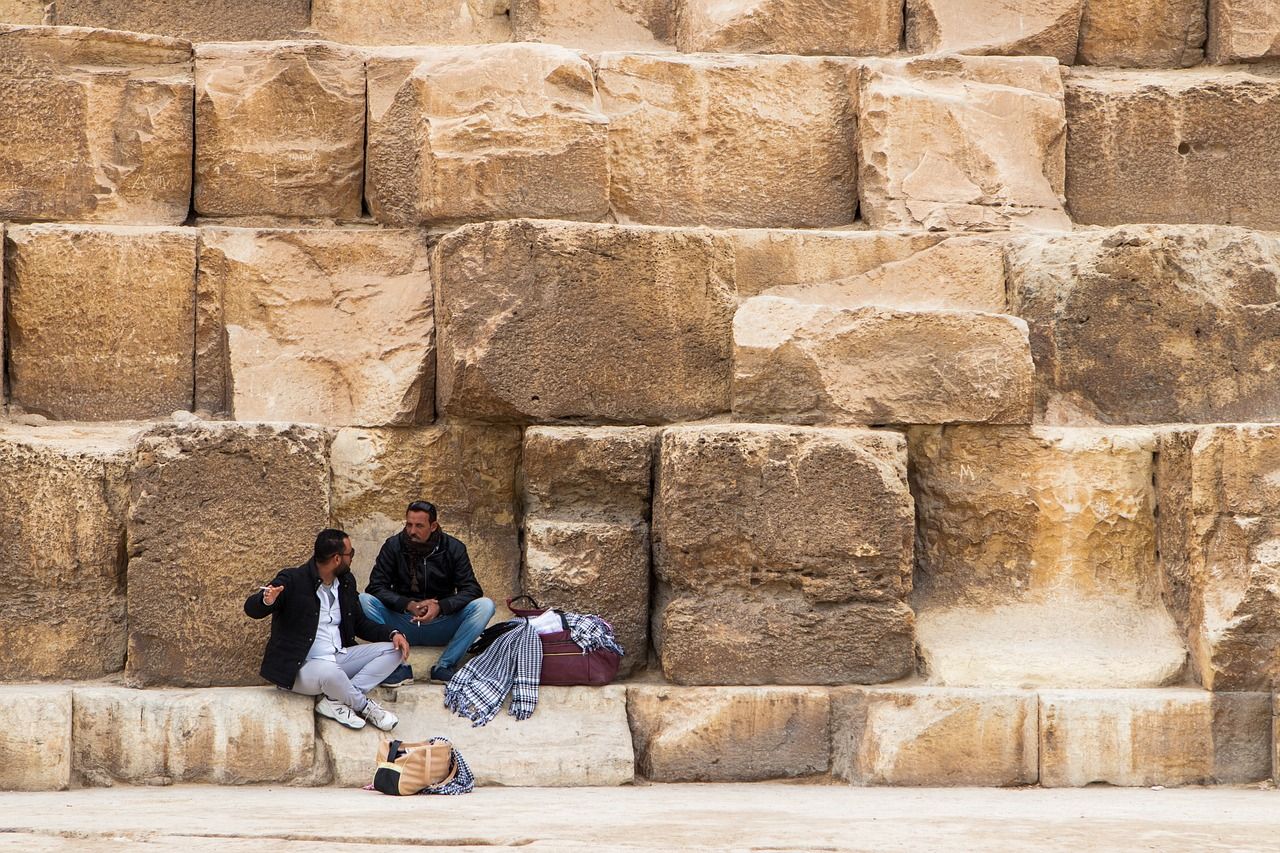
However, although the pan-Arabist ideology is widespread in the Arab world, there are some areas where dialectal varieties have some recognition, as in the case of some North African Berber languages.
Dialect realities
As previously mentioned, dialects would correspond to the «low» or vulgar variant of the Arabic language, the use of which would be reserved for the language spoken in a domestic or informal context.
When classifying Arabic dialects, we can use various criteria: chronological, socioeconomic or geographical, the latter being the most used. In this sense, the Arab world can be divided into two major zones, the eastern or mašriq («place where the sun rises»), and the western or maġrib («place where the sun sets»). Following this division, we can classify the dialects of Arabic into Eastern and Western or Maghrebi.
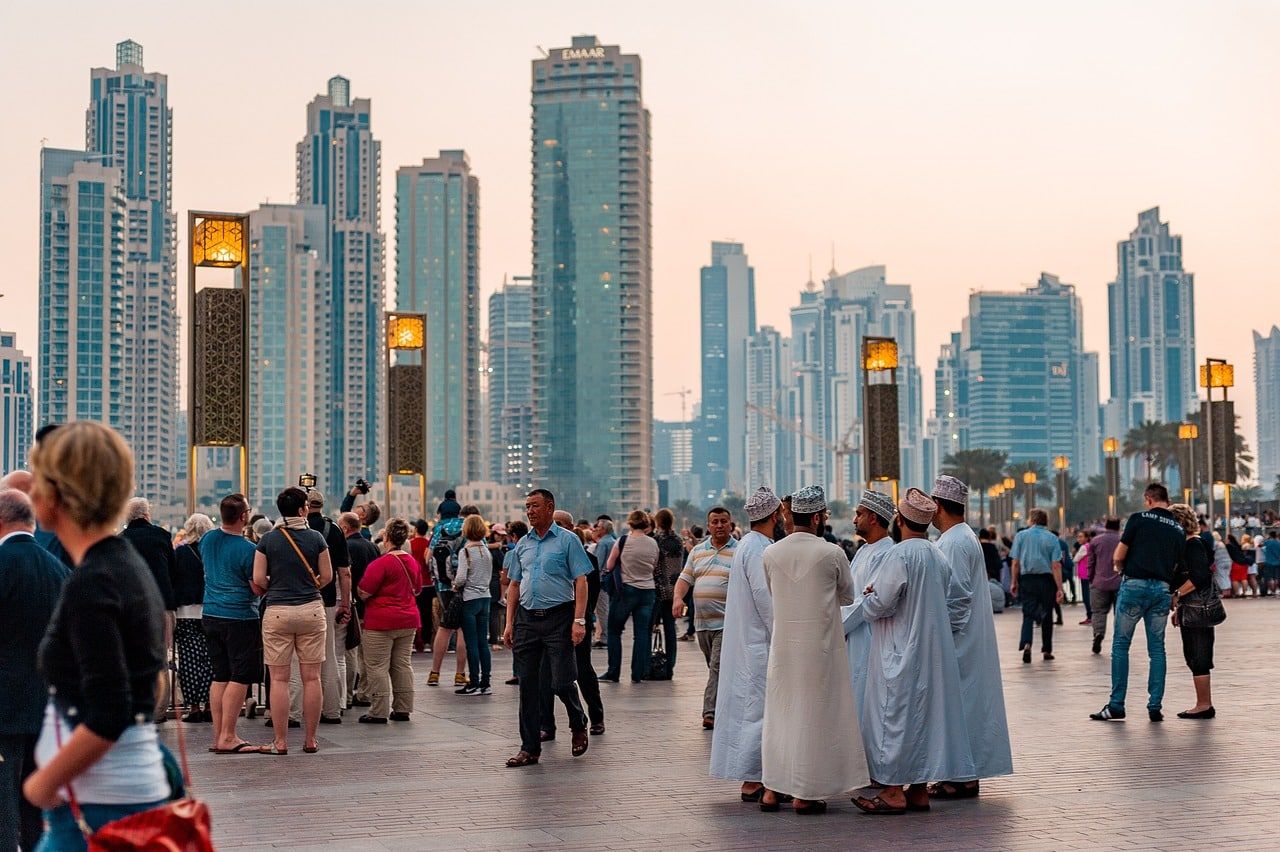
Eastern dialects occupy the area of the Arabian Peninsula, the Syrian-Palestinian corridor, ancient Mesopotamia and the Egypt-Sudan region. Western dialects correspond to the countries of the Maghreb area, i.e. Morocco, Algeria, Tunisia, Libya and Mauritania. Within this group, Berber dialects are widespread throughout North Africa, where we find languages such as Rifian, spoken by the inhabitants of the Rif region in northeastern Morocco.
Arabic in today’s world
The importance of Arabic on the international scene has increased significantly in recent years, and a good example of this is the fact that it has become the fifth most spoken language in the world.
Certainly, knowing Arabic means having a huge competitive advantage in the professional field, especially if you want to enter the world of international business and diplomacy. In addition to being a language that is very present in three continents (Asia, Europe and America), it should be noted that the Arab world occupies a very important place in the production and export of gas and oil, two industries in constant growth.
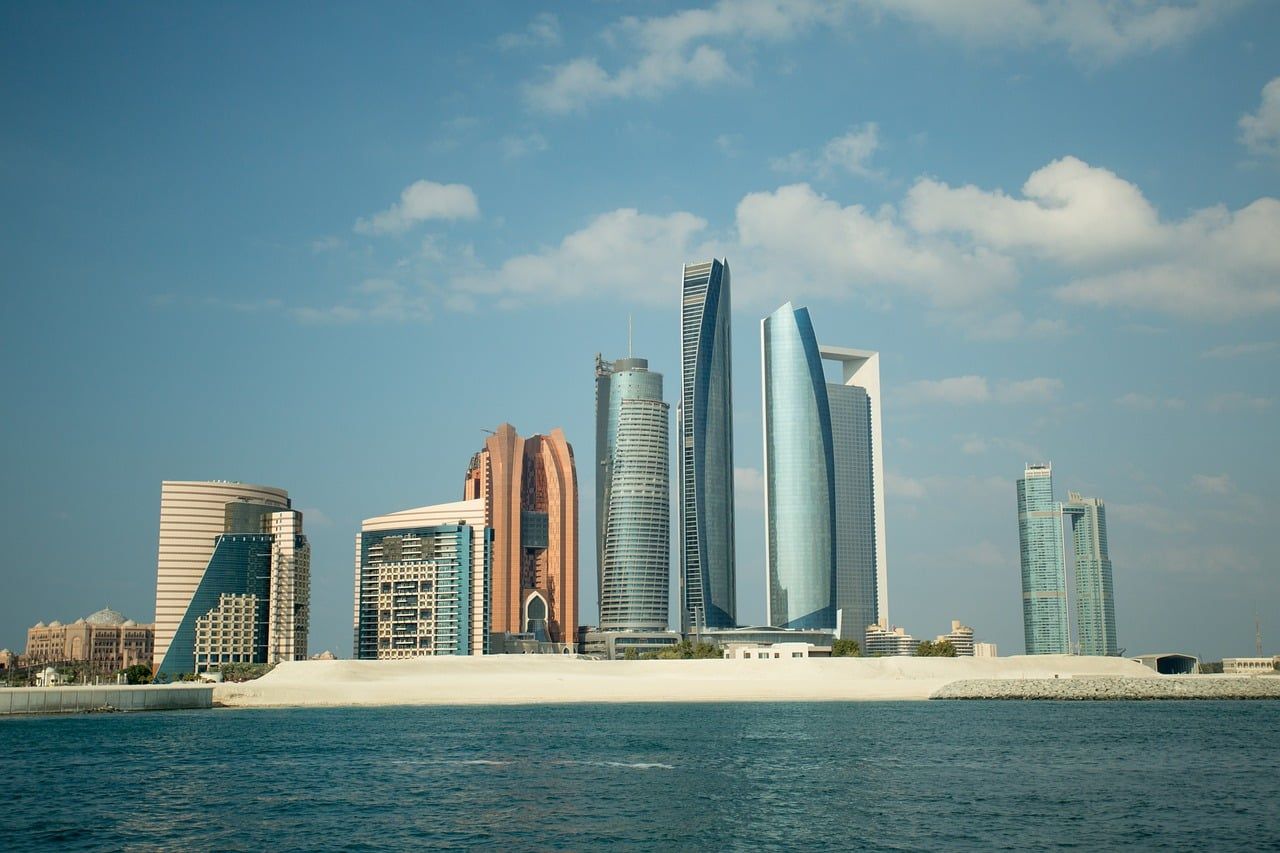
In addition, many of the countries of North Africa and the Middle East are members of the Union for the Mediterranean, an intergovernmental organization that seeks to promote the stability and integration of the entire Mediterranean basin. This institution is a good example of the collaboration and close relations that exist between Europe and the Arab countries.
On the other hand, in the specific case of Spain, there are many ties that unite us with the Maghreb countries, not only because of the geographical proximity between the two areas, but also because of the existing historical and cultural links.
Carlos Sánchez Luis