
The history of human knowledge is not linear, but rather emerges as the result of a complex network of encounters, transmissions, and rediscoveries. A fascinating example of this process is how the cultural legacy of ancient Greece survived the passage of time thanks, in large part, to the medieval Islamic world. Far from being mere custodians, Muslim scholars not only translated classical Greek texts, but also interpreted them, expanded them, and in many cases took them beyond their original forms. This cultural transmission not only allowed Greek knowledge to survive Antiquity, but would also prove key to the European Renaissance centuries later.
The end of classical antiquity. The Byzantine Empire
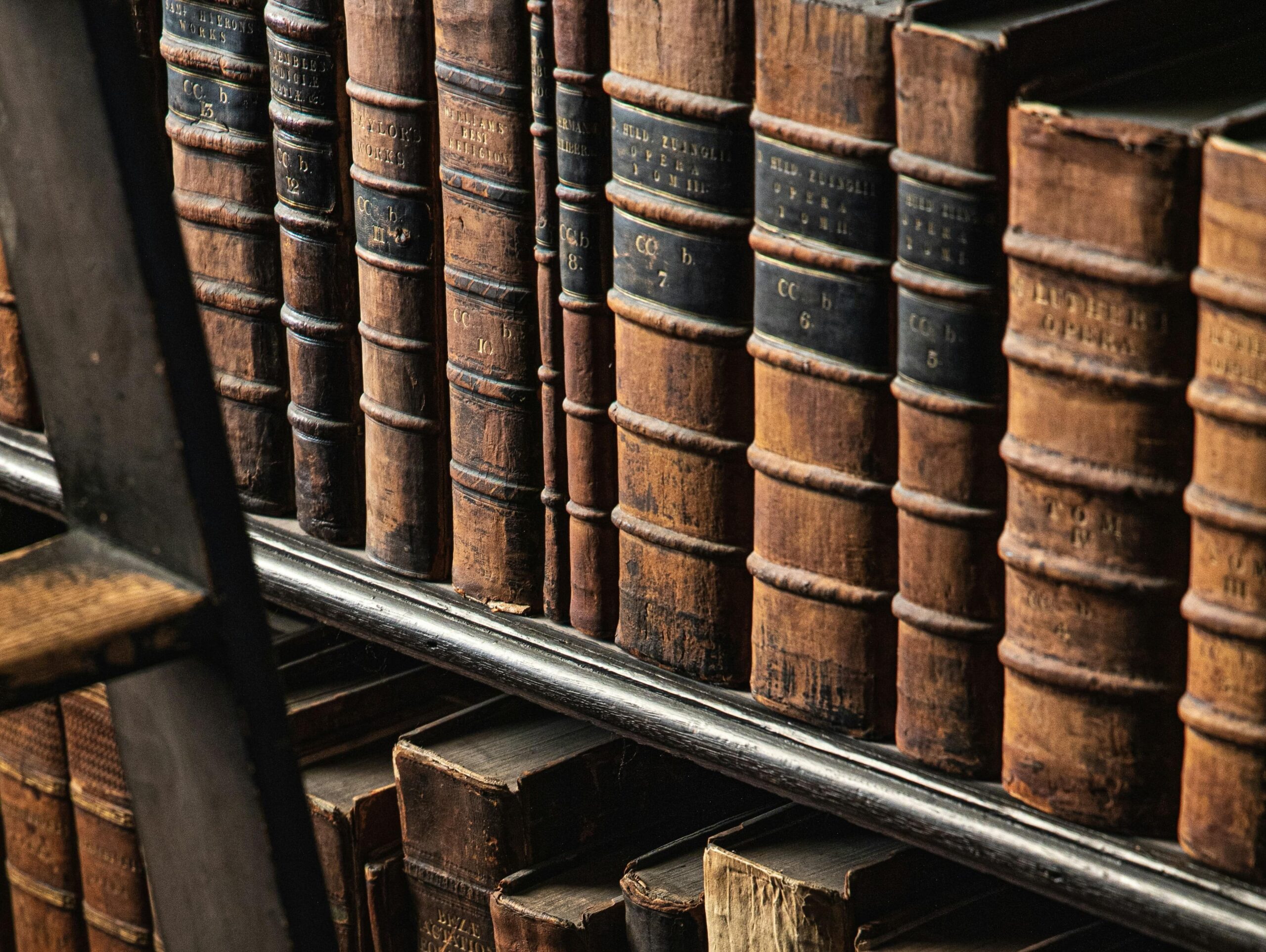
After the fall of the Western Roman Empire in the 5th century AD, Western Europe entered a period of profound political and social change known as the Early Middle Ages. During this period, although new forms of organization and cultural expression emerged, access to knowledge of the classical world —especially in the fields of science, philosophy, and literature— was considerably limited, remaining largely confined to monasteries and ecclesiastical circles, with very restricted dissemination.
Meanwhile, in the East, the Byzantine Empire emerged as the heir to much of the cultural, intellectual, and political legacy of the classical world. The Greek-speaking and deeply Christian civilization of Constantinople kept alive the traditions of Roman law, Hellenistic literature, and classical education, especially in urban circles and imperial institutions.
Certainly, Byzantine schools preserved and copied numerous works by authors such as Plato, Aristotle, Galen, and Ptolemy, especially those that could be harmonized with Christian theology. However, the dominant trend in Byzantine thought was toward theological speculation, biblical exegesis, and doctrinal controversy, largely relegating the development of the natural sciences and independent philosophical thought. Classical knowledge was preserved, yes, but with a religious purpose and within a relatively closed framework.
The rise of knowledge in the Islamic world
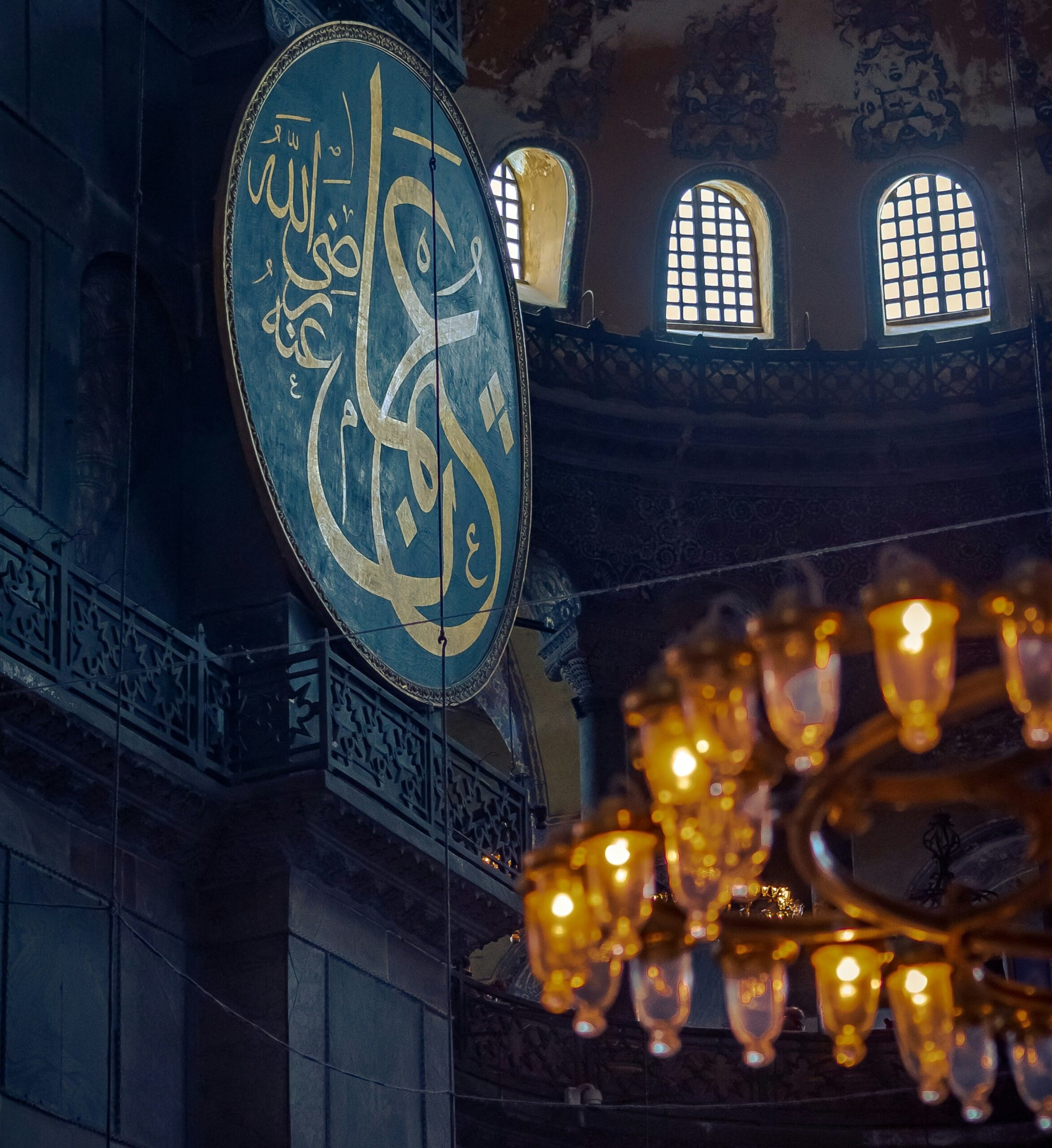
With the rapid expansion of Islam in the seventh and eighth centuries, a vast territory —from the Iberian Peninsula to the borders of India— was united under a single political and cultural horizon. This diverse and dynamic Islamic world not only conquered lands, but also knowledge: it assimilated with remarkable interest the intellectual heritage of civilizations such as the Persian Sassanid, Indian, and, most notably, Greek.
Thus, although Byzantium played an important role as a bridge between Antiquity and the Middle Ages, it was in the Islamic world that this knowledge found new impetus and a universal vocation. There, Greek texts were not only translated, but given new life: they were rigorously studied, critically debated, and, in many cases, developed to unexpected levels. Thus, the real driving force behind the preservation, transformation, and dissemination of the Greek legacy during the dark ages of Western Europe was not so much Byzantium as the dynamic medieval Islamic world.
One of the most emblematic centers of this transfer of knowledge was the House of Wisdom in Baghdad, founded during the Abbasid Caliphate, particularly under the patronage of Caliph Al-Mamun (813-833). This center brought together scholars from various religions and backgrounds (Muslims, Nestorian Christians, Jews, Zoroastrians) to translate the great works of classical antiquity into Arabic.
Beyond translation: innovation and synthesis
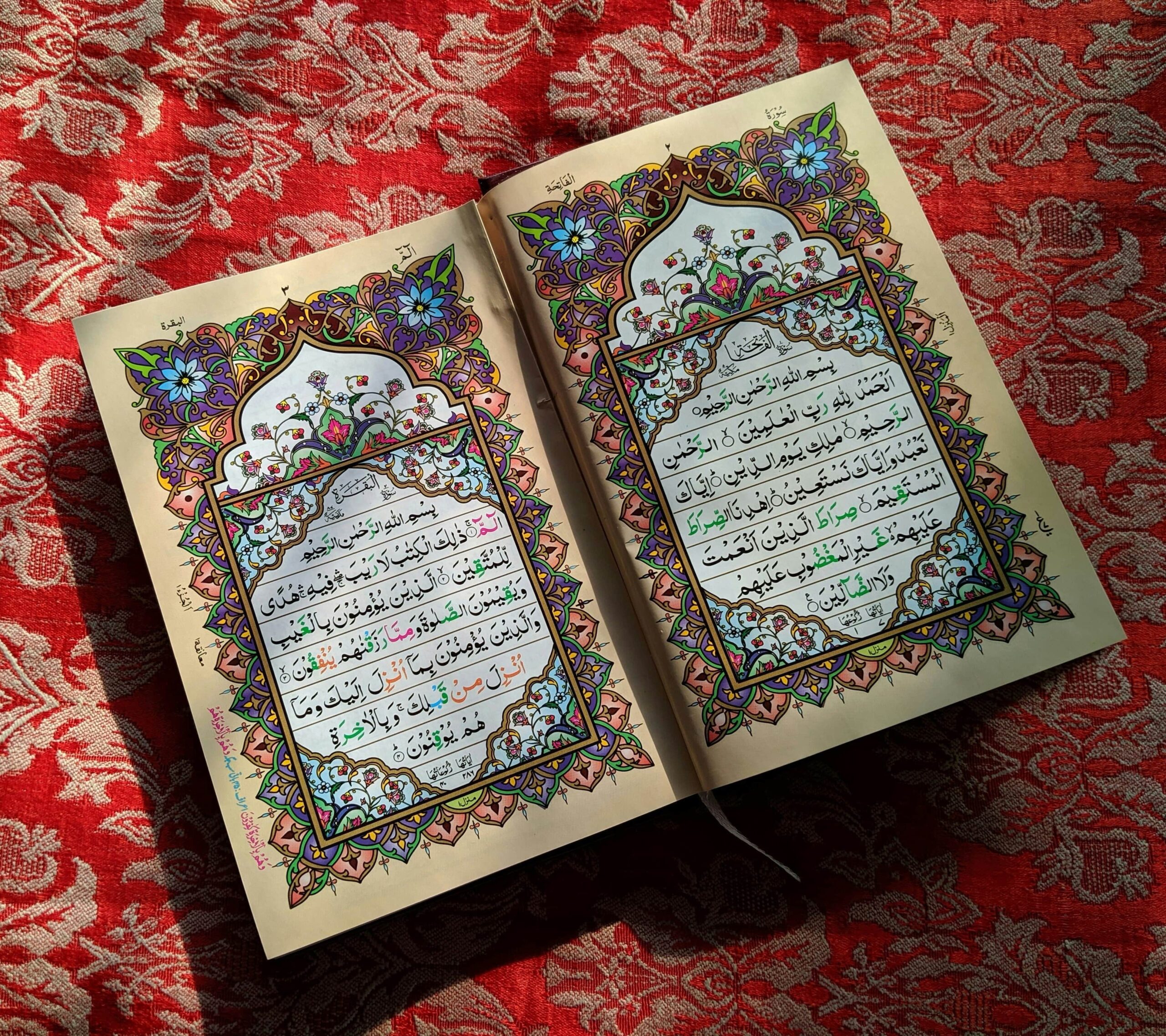
The scholars of the Islamic world did not merely translate classical texts; they analyzed them, debated them thoroughly, and in many cases reinterpreted them in light of their own traditions and intellectual needs. This was not a passive task of preservation, but a true renaissance of thought, giving rise to new philosophical currents, innovative scientific theories, and original approaches in various disciplines.
A key figure in this process was Avicenna (Ibn Sina, 980–1037), considered one of the greatest thinkers of the Middle Ages. A physician, philosopher, scientist, and poet, Avicenna represents the culmination of the fusion between Greek thought, especially Aristotelian and Neoplatonic, and the Islamic intellectual framework. His most influential work, the Canon of Medicine, not only compiled and systematized the medical knowledge of antiquity —from Galen, Hippocrates, and others— but also introduced his own clinical observations, advanced diagnostic methods, and a comprehensive view of the body and health. This work was used as a university textbook in Europe until the 17th century, becoming a pillar of pre-modern medicine.
In the field of philosophy, his Book of Healing offers a monumental synthesis of logic, mathematics, metaphysics, and natural sciences. Avicenna reworked Aristotelianism within a framework deeply influenced by Islamic thought, developing original ideas about existence, the soul, and causality. His famous distinction between essence and existence, for example, would be fundamental to the subsequent development of both Islamic and Christian metaphysics.
Europe rediscovers the Greeks… through Arabic
During the 12th century, Western Europe began to emerge from its cultural slumber. First the Carolingian Renovatio and later the Renaissance of the 12th century marked a renewed interest in classical learning. But much of that knowledge was not available in Greek, but in Arabic.
Cities such as Toledo, reconquered by the Castilians in the 11th century, became key centers for translation. There, at the so-called Toledo School of Translators, the great philosophical, scientific, and medical texts of the Islamic world were translated into Latin, many of them enriched versions of the original Greek works. Thanks to figures such as Gerardo de Cremona and Miguel Escoto, who translated numerous works from Arabic into Latin, Europe gained access to texts such as Averroes’ commentaries on Aristotle, Avicenna’s Canon, and Arabic treatises on astronomy and mathematics.
A shared legacy
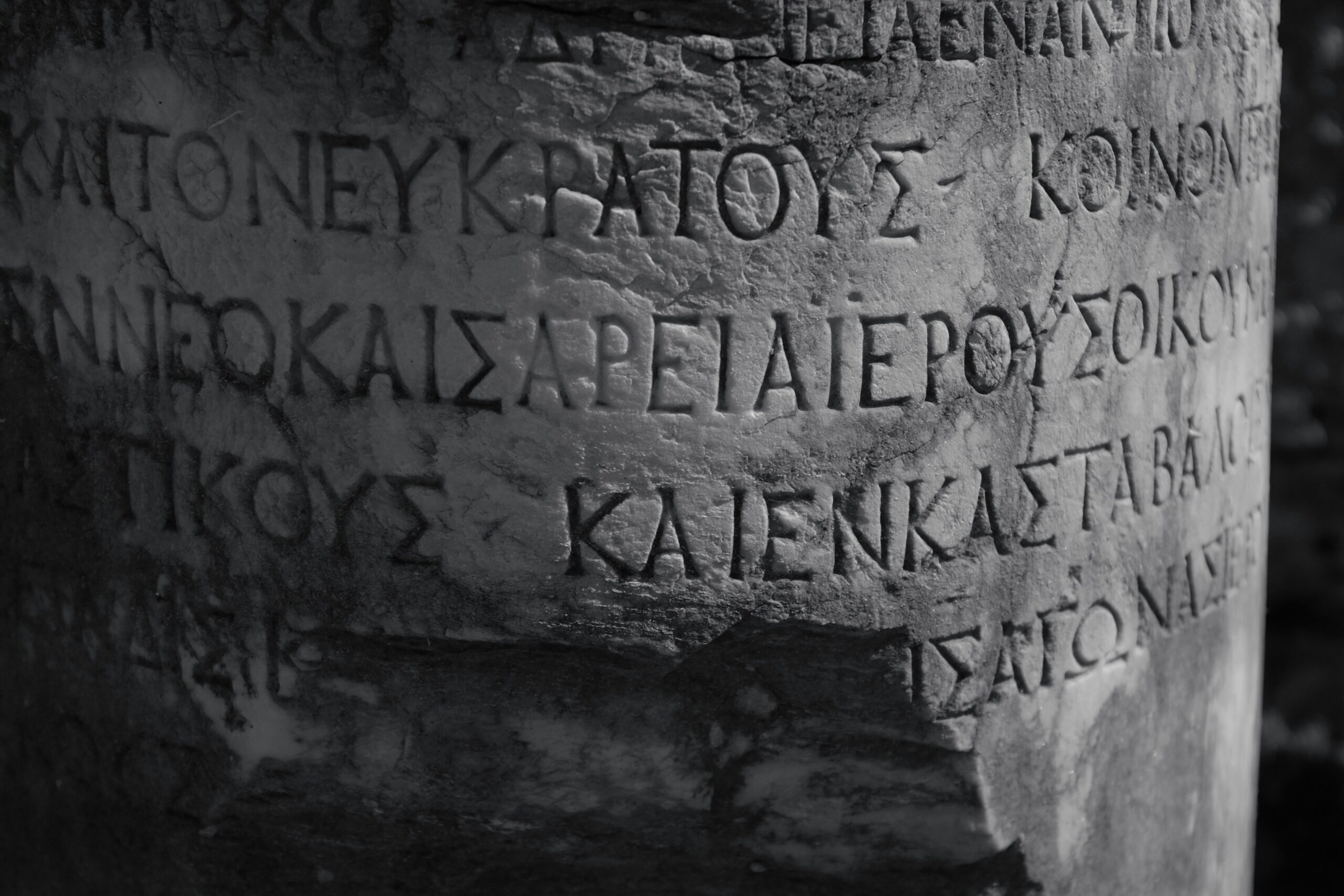
EstThis cultural bridge between Greece, medieval Islam, and Latin Europe allowed Greek knowledge not only to survive but also to evolve. Thus, knowledge of the classics traveled a winding path from Athens to Alexandria, from Baghdad to Cordoba, from Toledo to Paris.
Scholasticism, the dominant philosophical system in the European Middle Ages, is a clear example of this process. Scholastic philosophers, such as Thomas Aquinas, found in the texts of Islamic thinkers such as Avicenna and Averroes a valuable source of knowledge, especially with regard to the philosophy of Aristotle. In this sense, Latin translations of Averroes’ commentaries and Avicenna’s works were fundamental in reviving Aristotelian thought in Europe.
In short, we can say with certainty that translation played a crucial role in the preservation and expansion of the classical legacy. It was thanks to Islamic scholars —who not only translated but also reinterpreted classical texts— that Europe was able to access the philosophy, science, and knowledge of Antiquity. This translation effort, carried out in centers such as Baghdad and Toledo, was essential to the European Renaissance, demonstrating how knowledge can transcend borders, connecting different cultures in a common effort to understand the world.
Carlos Sánchez Luis